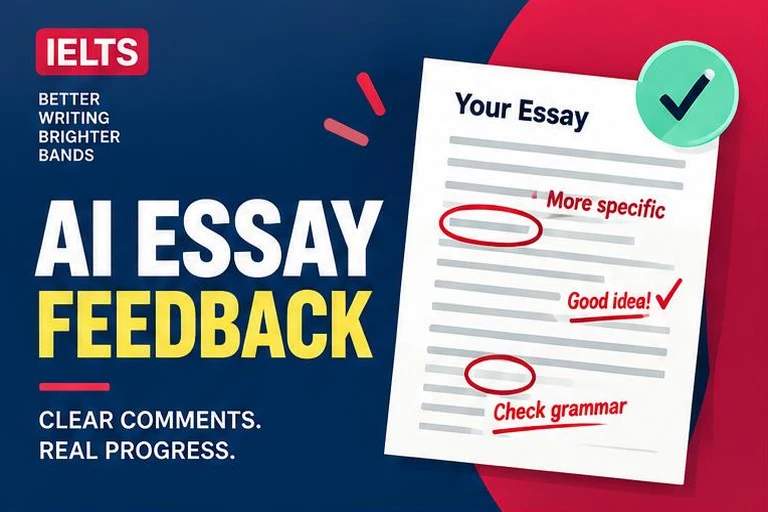
IELTS Writing Task 2 AI essay checker: turn feedback into a better essay
Learn what an IELTS Writing Task 2 AI essay checker should assess, how to interpret a band estimate, and how to revise your essay with useful feedback.
Read articleThe study journal
Better essays. More developed answers. Practical study guides for your next practice session.

Learn what an IELTS Writing Task 2 AI essay checker should assess, how to interpret a band estimate, and how to revise your essay with useful feedback.
Read article
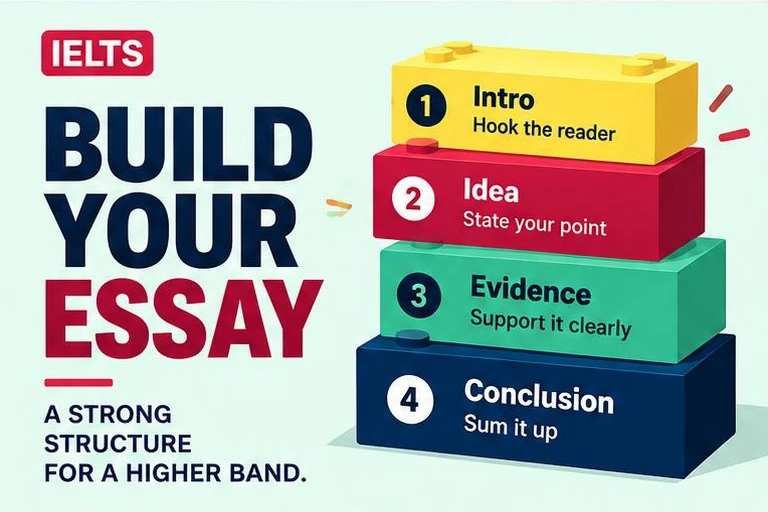
Practise IELTS Speaking Parts 1, 2 and 3 online with feedback. Learn what to record, what transcript-based AI can assess, and how to improve your next answer.
Read article
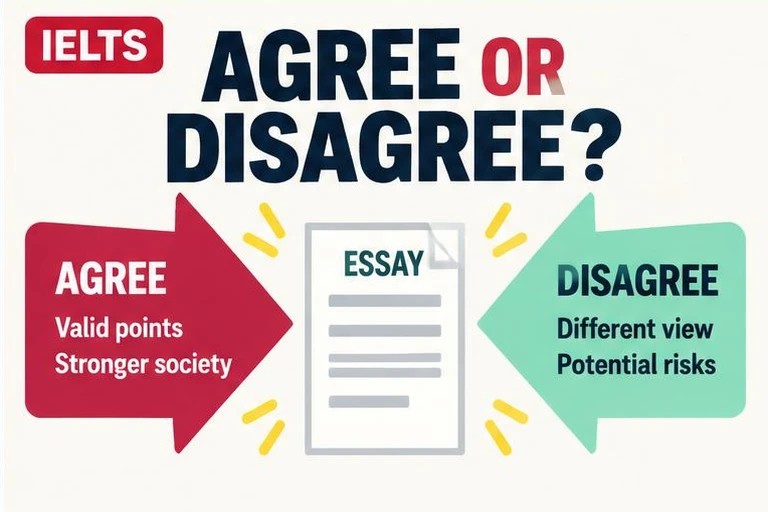
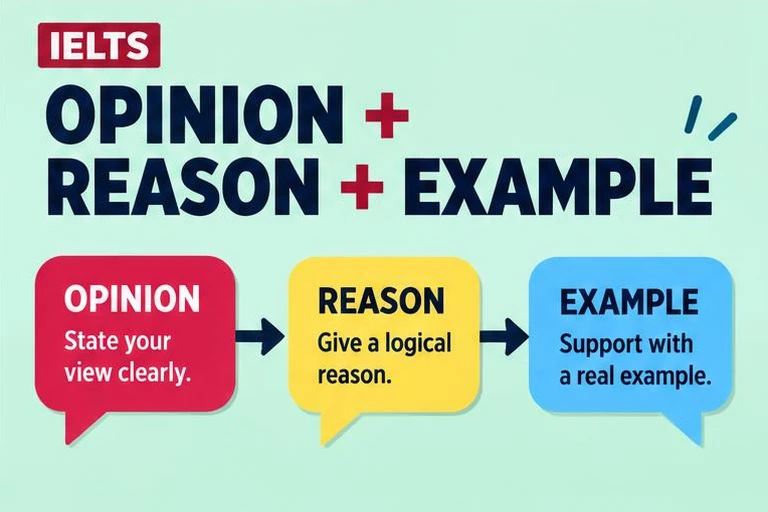
Build an IELTS Writing Task 2 essay structure for opinion, discussion and two-part questions, with paragraph examples and a practical revision checklist.
Read article
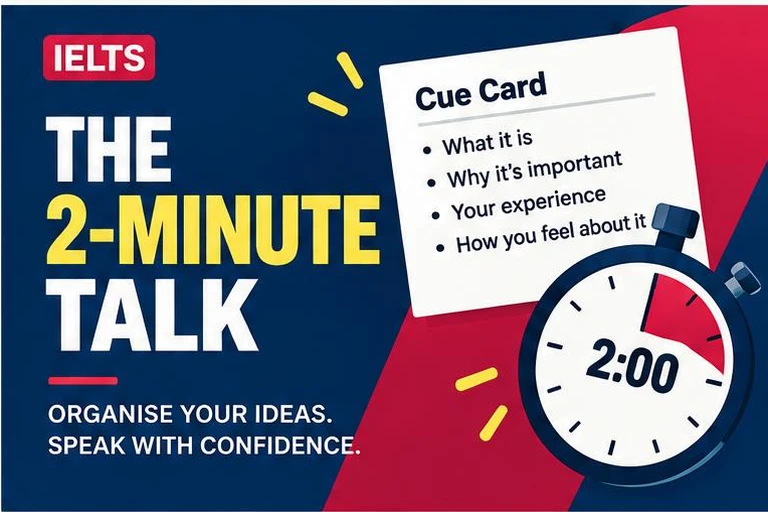
Practise IELTS Speaking Part 2 with original cue cards, a one-minute planning method, sample notes, and a recording checklist for your two-minute answer.
Read article
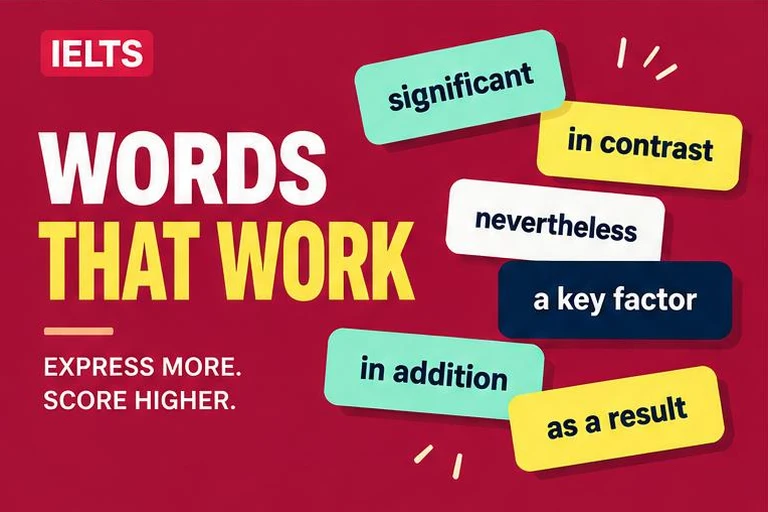
Improve IELTS Writing Task 2 vocabulary with topic phrases, natural collocations, example sentences, and a learn–recall–apply practice routine.
Read article
A practical guide to writing a clear, well-structured IELTS Writing Task 1 report: what the task asks for, how to pick key features, and how to practise effectively.
Read article
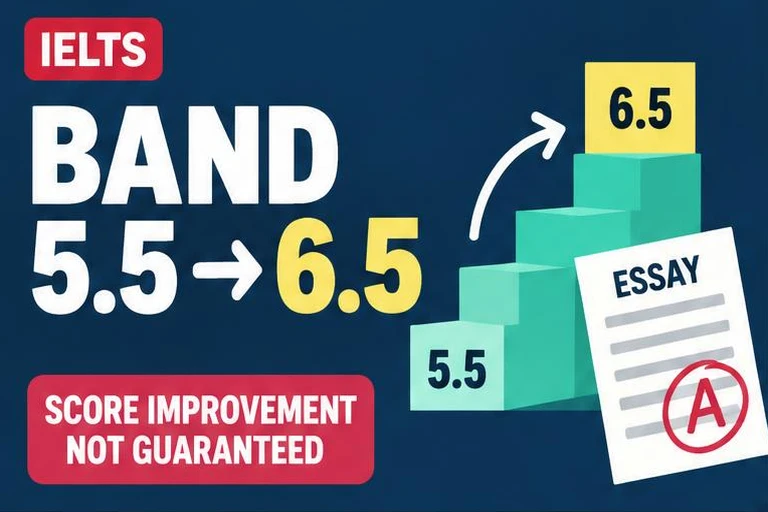
What actually separates a 5.5 from a 6.5 in IELTS Writing, the habits that keep scores stuck, and a realistic four-week routine to move upward.
Read article
A practical guide to IELTS Speaking Part 1: what the examiner expects, sample questions on common topics, and how to answer naturally without sounding rehearsed.
Read article
Understand what IELTS Speaking Part 3 expects, practise original discussion questions, and learn how to give balanced, well-reasoned opinions under time pressure.
Read article
A practical, structured method for practising IELTS Speaking on your own, using recordings, shadowing and AI feedback to build real progress.
Read article
Why hesitation happens in IELTS Speaking and practical ways to sound more fluent, without relying on meaningless filler words.
Read article
A full sample IELTS opinion essay with paragraph-by-paragraph commentary, plus how to spot opinion questions and avoid the most common position mistakes.
Read article
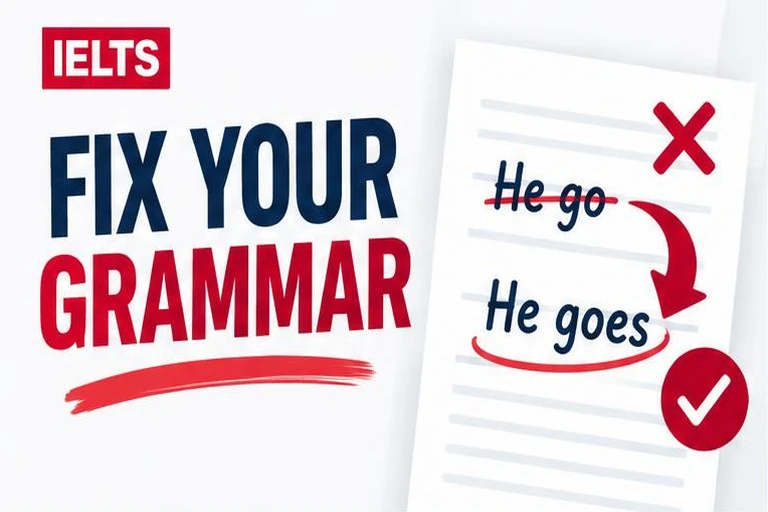
The grammar errors that most often hold back IELTS Writing Task 2 scores, with wrong-to-right examples and a five-minute proofreading routine.
Read article
Build topic-specific vocabulary for education and technology so you can handle Writing Task 2 essays and Speaking Part 3 discussions with precise, natural language.
Read article
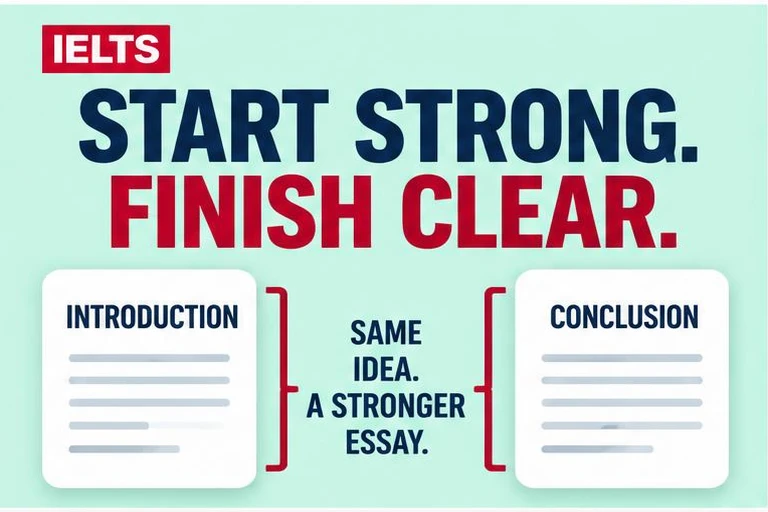
Learn what examiners expect from a Task 2 introduction and conclusion, with before-and-after examples and a timed strategy for writing both quickly and well.
Read article
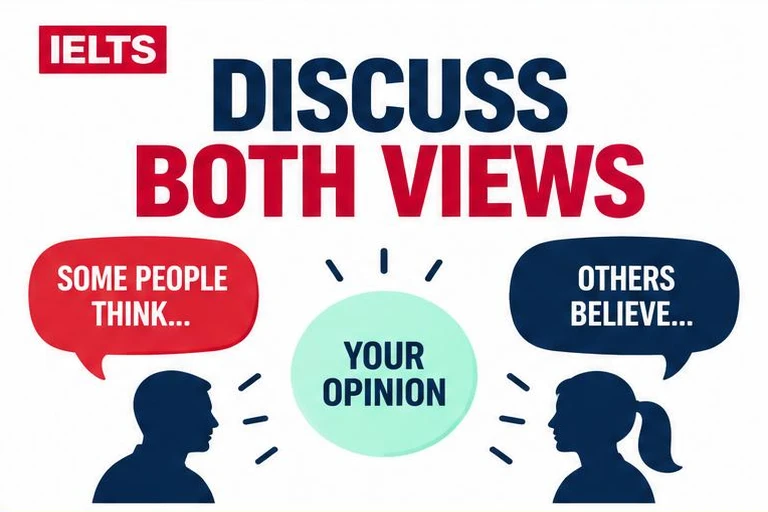
Learn how to structure a discussion essay for IELTS Writing Task 2, cover both views fairly, and place your own opinion clearly.
Read article
A clear guide to writing problem-solution essays for IELTS Writing Task 2, including how to link solutions to causes and avoid generic ideas.
Read article
Understand the two types of advantages and disadvantages questions in IELTS Writing Task 2 and how to structure each one correctly.
Read article
A practical guide to spotting and answering two-part questions in IELTS Writing Task 2 without drifting off topic.
Read article
A practical strategy for IELTS Speaking Part 2 'describe a person' cue cards, with example notes, useful language, and tips for talking for the full two minutes.
Read article
A clear strategy for IELTS Speaking Part 2 'describe a place' cue cards, including original practice cards, sensory language, and an example of good preparation notes.
Read article
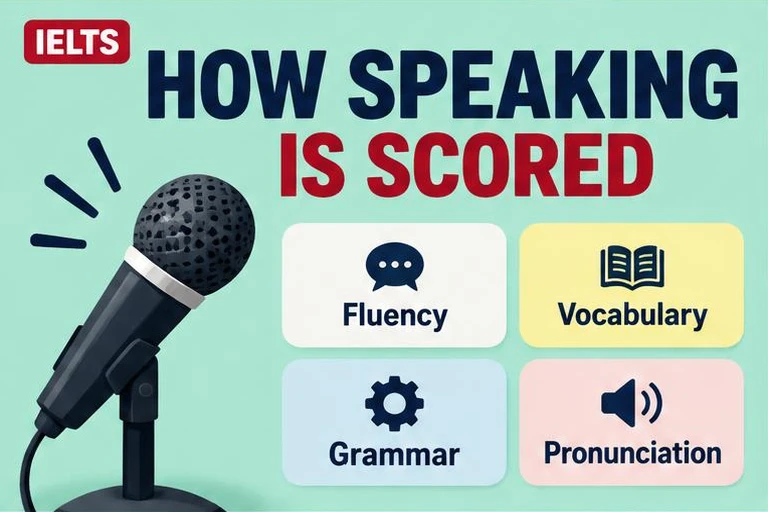
A breakdown of the four IELTS Speaking assessment criteria at band 7, based on the official band descriptors, with realistic guidance on what to aim for.
Read article
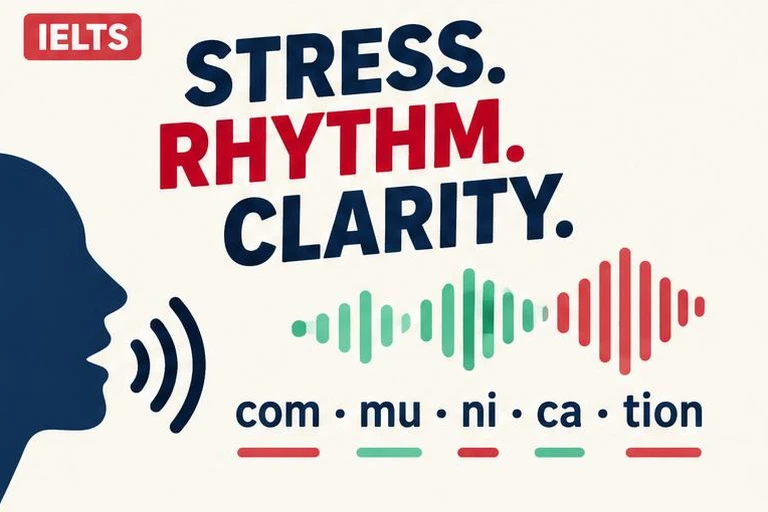
What the IELTS pronunciation criterion actually covers, with practical exercises for word stress and rhythm, and an honest look at what AI feedback can and cannot judge.
Read article
Ten environment collocations for IELTS Writing and Speaking, with correct usage, common mistakes, and a simple routine for making them stick.
Read article
Ten useful health-related collocations for IELTS, with example sentences, common errors to avoid, and a practical way to make them stick.
Read article
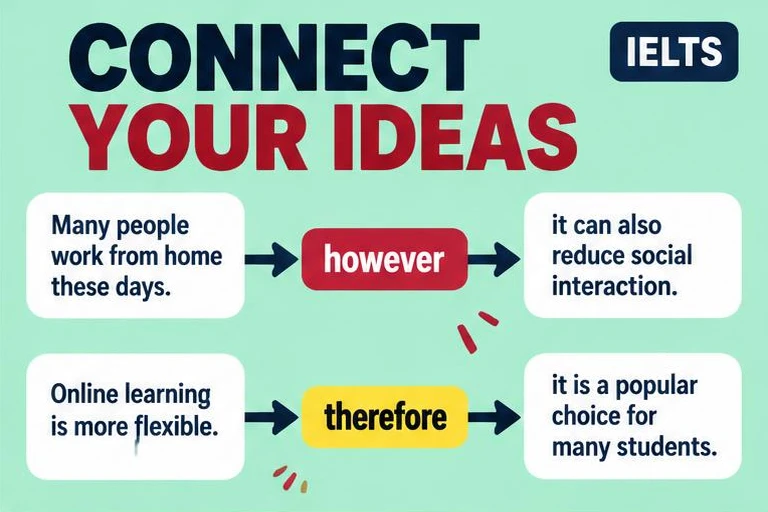
What cohesion really means in the IELTS band descriptors, why overusing linkers can hurt your score, and natural alternatives to the most overused connectors.
Read article
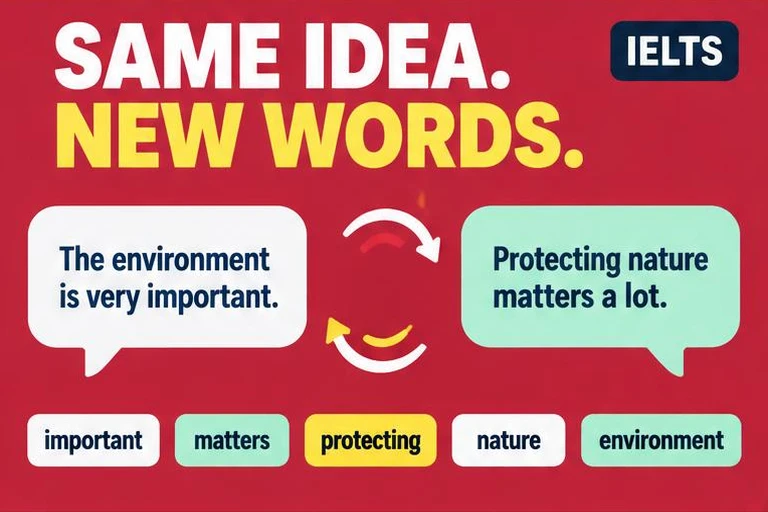
Practical paraphrasing techniques for IELTS — synonym swaps, structure changes, when not to paraphrase, and common errors with worked exercises.
Read article
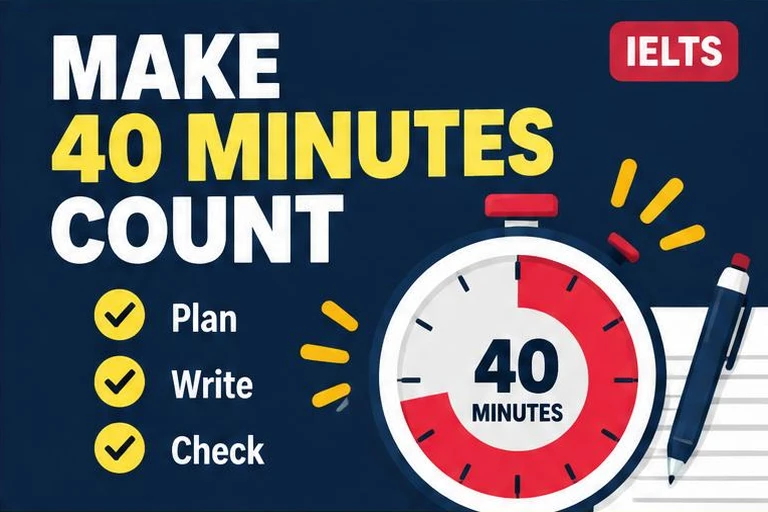
A practical plan for splitting your 40 minutes on Task 2 between planning, writing and checking, plus what to do when you get stuck.
Read article
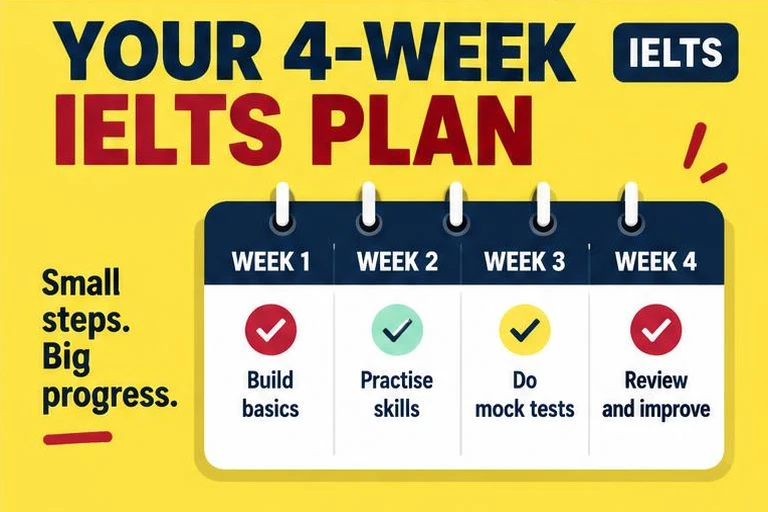
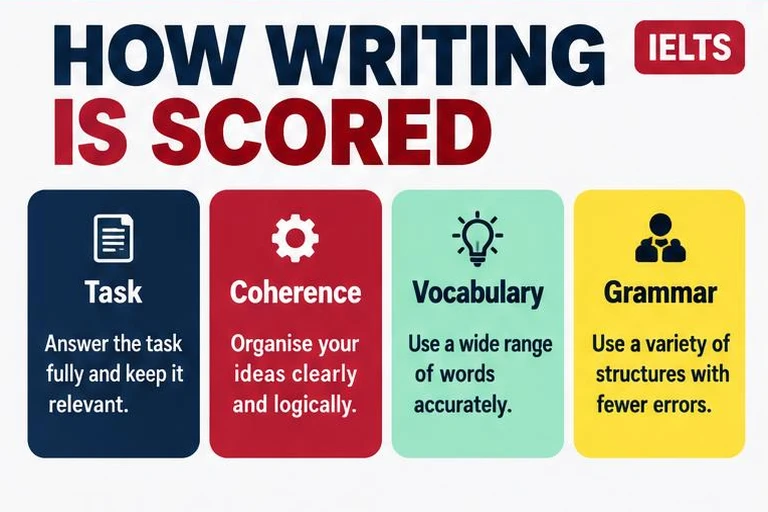
A plain-English tour of the four IELTS writing criteria, what actually changes between bands 5, 6 and 7, and how to use the descriptors to improve.
Read article
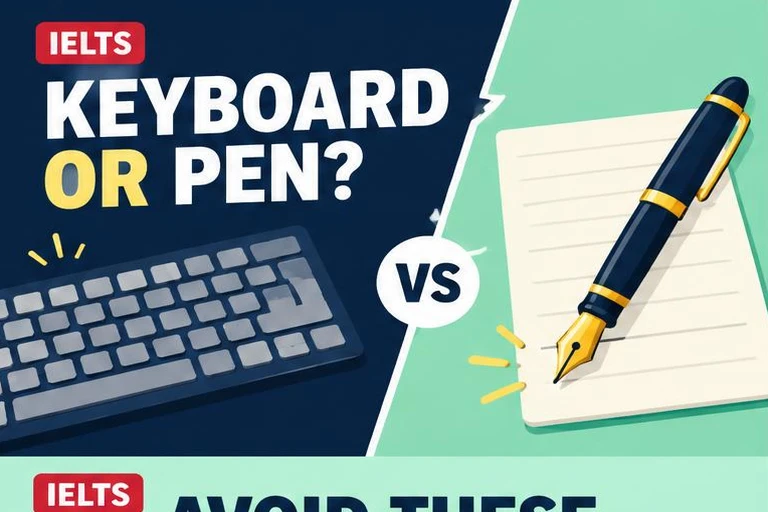
A realistic four-week plan with daily 30-60 minute sessions covering writing structure, speaking practice, error-fixing and a final mock test.
Read article
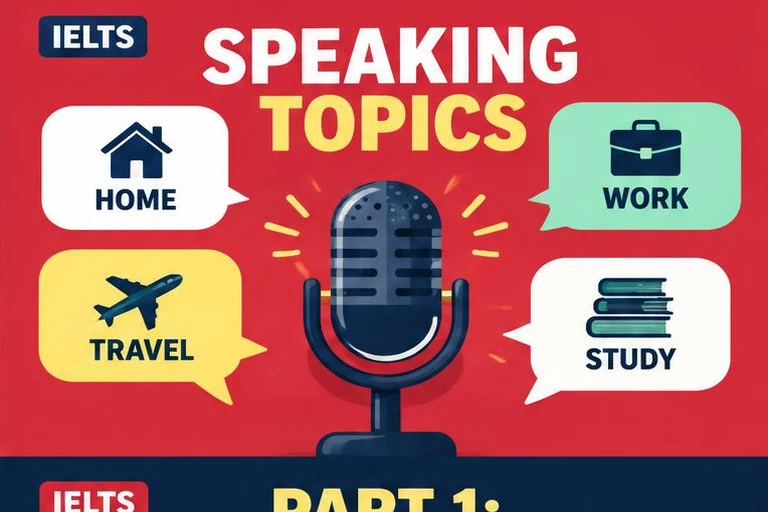
A practical comparison of computer-based and paper IELTS writing, covering typing versus handwriting, on-screen editing, and how to decide.
Read article
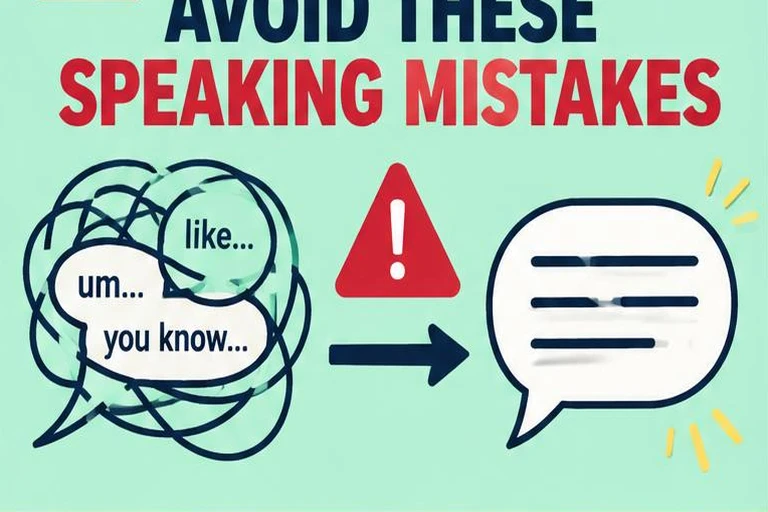
A themed list of common IELTS Speaking topics and honest advice on how to practise them without memorising scripts.
Read article
The most frequent IELTS Speaking mistakes candidates make, with practical fixes for each one.
Read article
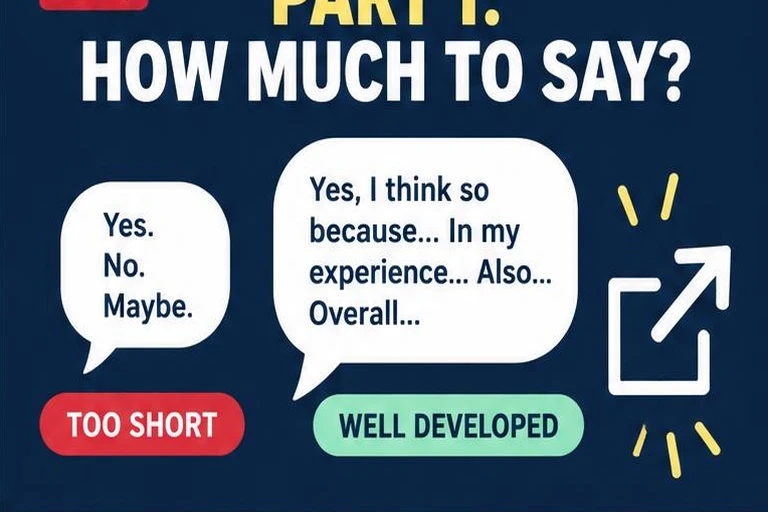
A practical guideline for IELTS Speaking Part 1 answer length, with examples of too-short, good and too-long responses.
Read article
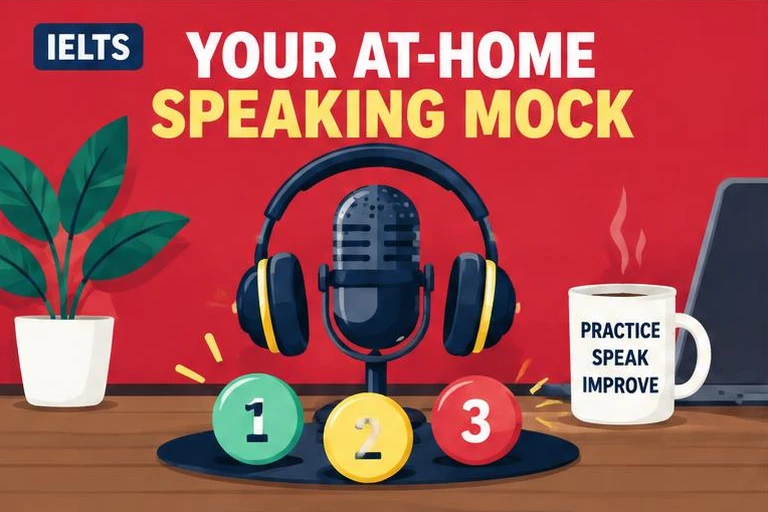
A step-by-step guide to simulating a full IELTS Speaking test at home, with timing, recording and a review checklist.
Read article
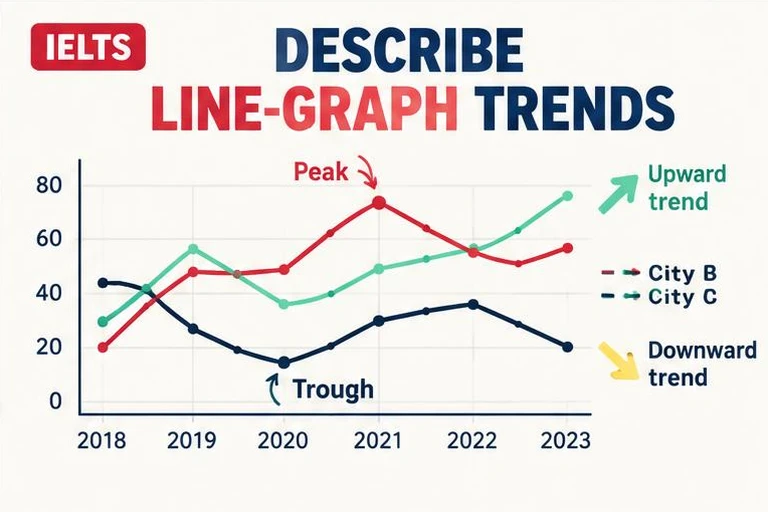
A step-by-step method for IELTS Academic Writing Task 1 line graphs: overview, grouping trends, accurate data, and trend vocabulary.
Read article
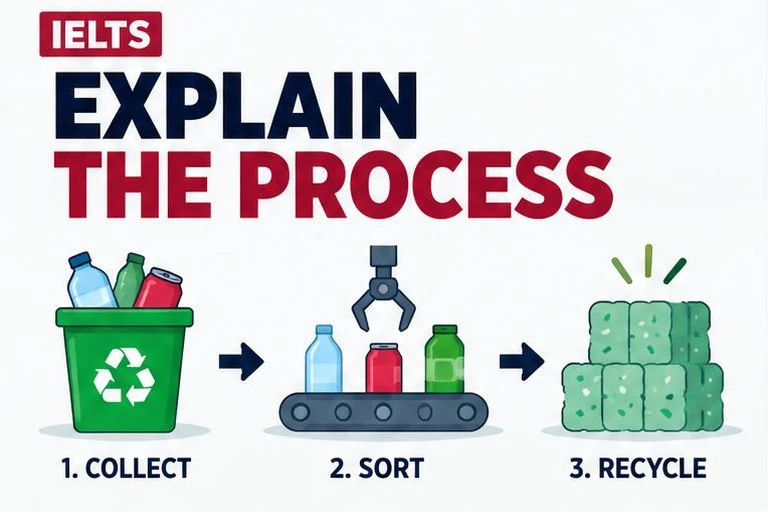
Learn how to describe an IELTS Task 1 process diagram with a clear overview, logical stages, passive voice and sequencing words.
Read article
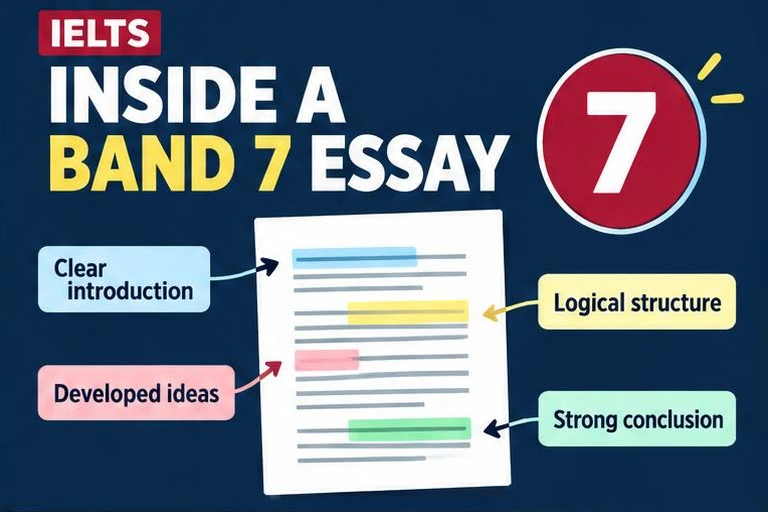
Read a Band 7-level IELTS Task 2 sample essay and see why it works: clear position, developed ideas, cohesion and accurate vocabulary.
Read article
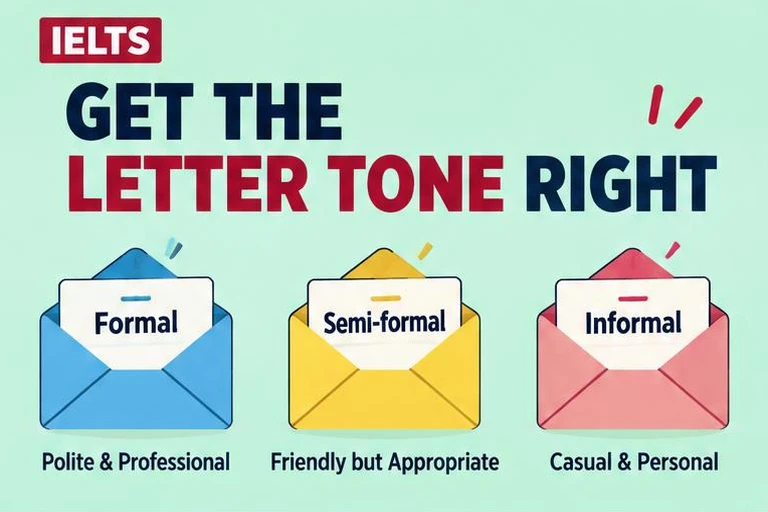
How to write an IELTS General Training Task 1 letter: choosing the right tone, covering all three bullet points and opening and closing correctly.
Read article
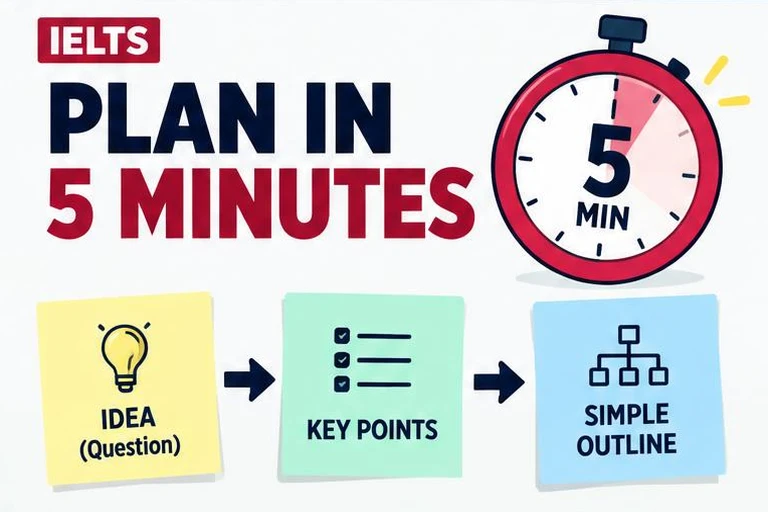
A quick, repeatable 5-minute plan for IELTS Writing Task 2: analyse the question, pick a position, choose two ideas and outline paragraphs.
Read article
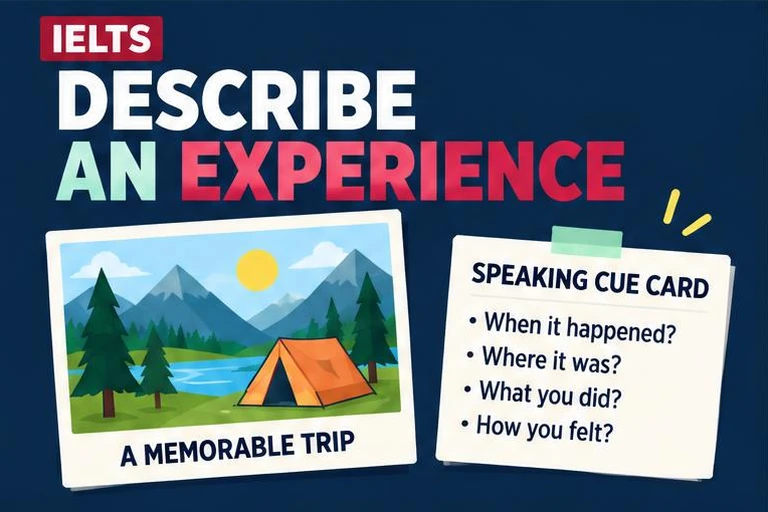
How to answer 'describe an experience' cue cards in IELTS Speaking Part 2 using past tenses, storytelling structure and feelings.
Read article
Answer IELTS Speaking Part 3 opinion questions with depth: give a view, explain reasons, compare perspectives and speculate about the future.
Read article
Should you use idioms in IELTS Speaking? Learn which idiomatic language sounds natural, common mistakes, and better alternatives.
Read article
Useful IELTS vocabulary for work and career topics with collocations and examples for Writing Task 2 and Speaking Parts 1–3.
Read article
A focused plan to move from IELTS Band 6 to Band 7 in Writing and Speaking: what changes between bands and how to practise each week.
Read article

How to use a free IELTS writing checker properly: the four criteria it must assess, what feedback to trust, and how to rewrite for a higher band.
Read article

Take a free online IELTS Speaking practice test: realistic Part 1, 2 and 3 questions, timing, recording, and how to get feedback on your answers.
Read article
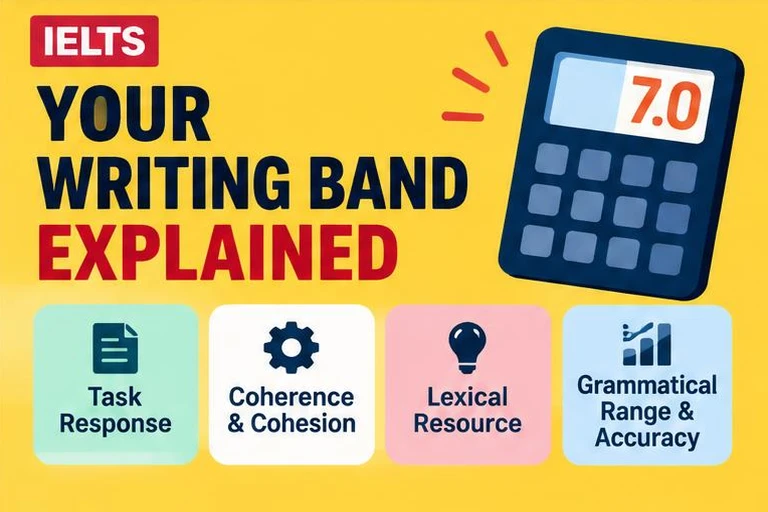
How the IELTS Writing band score is calculated: the four criteria, Task 1 vs Task 2 weighting, rounding rules, and worked examples.
Read article
A Band 8 IELTS Writing Task 2 sample answer with notes on why it scores highly: clear position, developed ideas, precise vocabulary and accurate grammar.
Read article
How to describe an IELTS Task 1 bar chart: a four-paragraph structure, comparison language, and a sample overview you can adapt.
Read article

Describe IELTS Task 1 pie charts accurately: grouping segments, fractions and percentages, comparing two or more charts, and a sample overview.
Read article
How to write an IELTS Task 1 table report: choosing key figures, grouping rows and columns, and writing a clear overview.
Read article
How to describe IELTS Task 1 maps: passive voice, location language, before-and-after structure, and a sample overview.
Read article
Write an IELTS General Training Task 1 informal letter: opening and closing phrases, natural tone, covering all bullet points, and a sample.
Read article
A practical IELTS Writing self-study routine: timed practice, feedback, error logs and rewriting, without a teacher or expensive course.
Read article
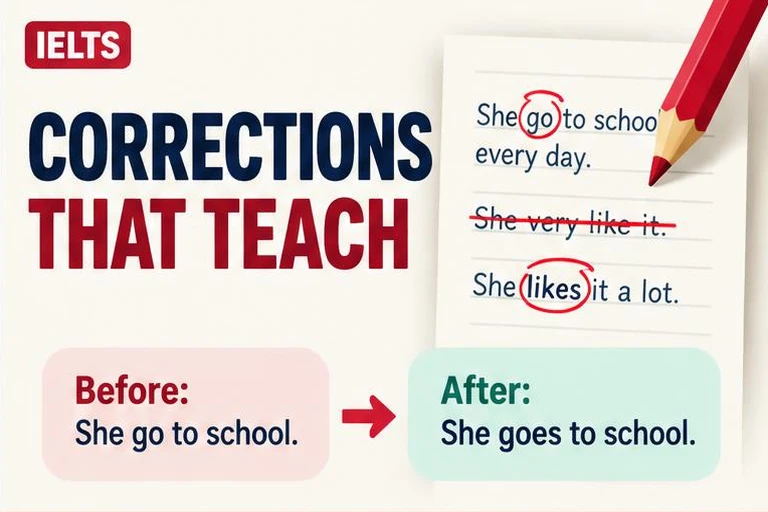
What to expect from an IELTS writing correction service: marked errors, criterion scores, improvement tips, and how AI and teacher feedback compare.
Read article
How the IELTS Speaking band score is calculated from four criteria, with rounding rules and examples to estimate your own score.
Read article
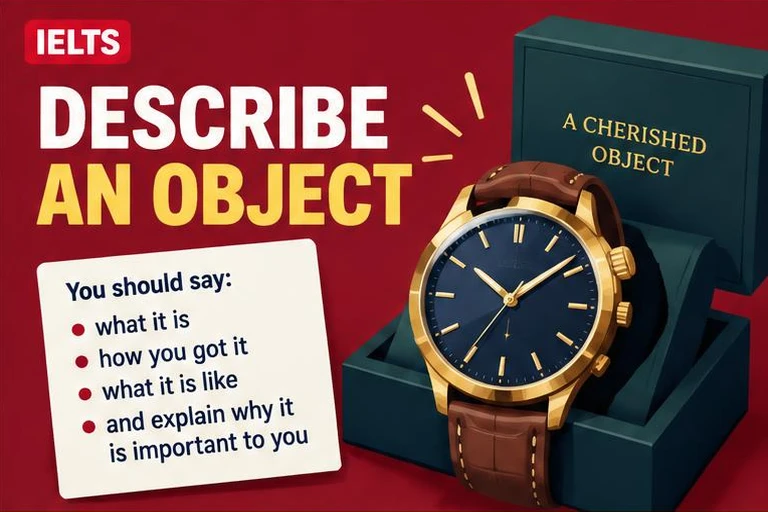
How to answer 'describe an object' IELTS cue cards: a one-minute plan, useful descriptive language, and a sample answer.
Read article
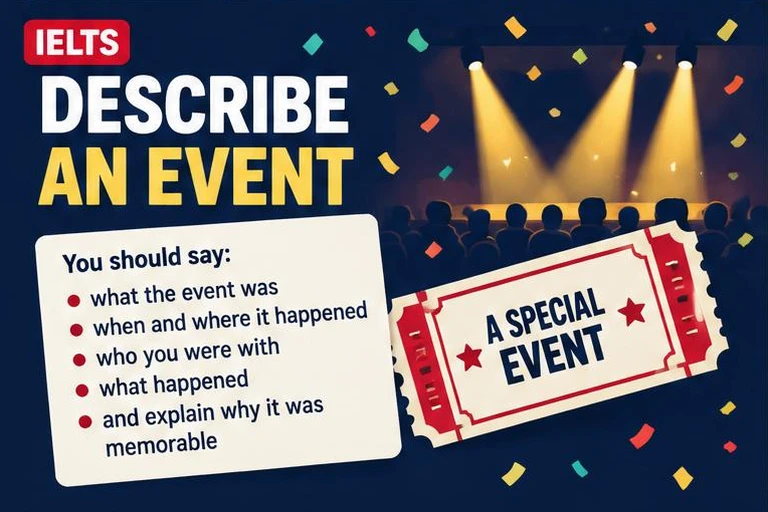
Answer 'describe an event' IELTS cue cards with a clear story structure, past tenses, feelings vocabulary and a sample answer.
Read article
Sample answers for IELTS Speaking Part 1 work and study questions, with how to extend answers naturally to 2–3 sentences.
Read article
Useful IELTS Writing Task 2 phrases for introductions, opinions, examples, contrast and conclusions — and which memorised phrases to avoid.
Read article
Band 6.5–7 vocabulary for IELTS crime and punishment questions, with collocations and example sentences for Writing and Speaking.
Read article
Useful IELTS travel and tourism vocabulary with collocations and examples for Speaking Part 2/3 and Writing Task 2.
Read article
A focused two-week IELTS preparation plan for Writing and Speaking: daily tasks, feedback, and what to prioritise when time is short.
Read article
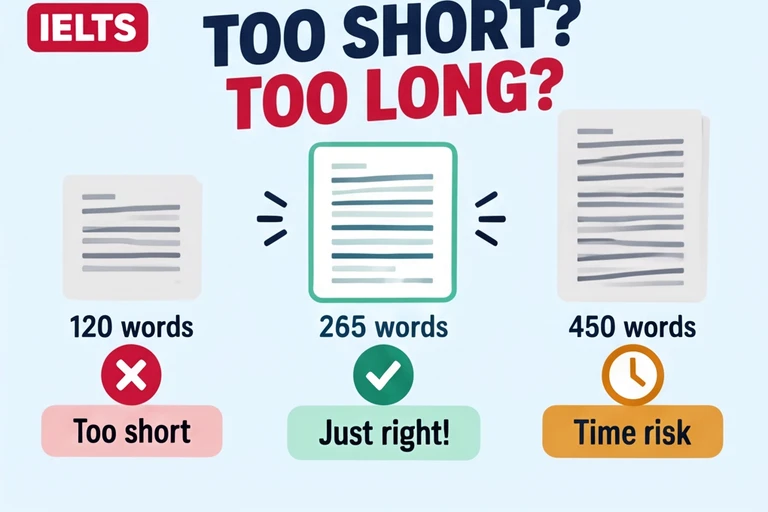
How many words to write in IELTS Writing Task 2: the 250-word minimum, the ideal range, penalties for short essays, and how to plan length.
Read article
Understand the Task 2 word-count requirement, the risks of short and overlong essays, and how to reach 250 words naturally.
Read article
Compare all three IELTS Speaking parts, learn what each demands, and understand how examiners score the whole interview.
Read article
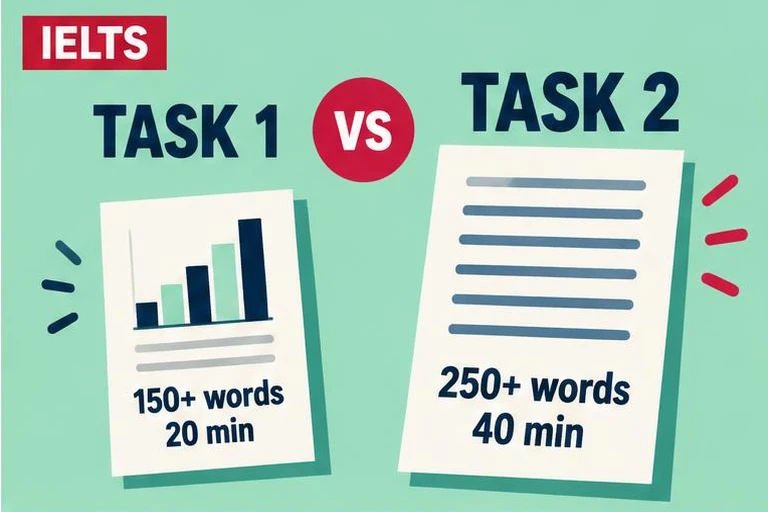
Compare Task 1 and Task 2 requirements, recommended time, minimum word counts, and how much each contributes to your Writing band.
Read article
Avoid seven common Academic Task 1 overview mistakes, from listing figures to missing the main trend, with concise corrections.
Read article
Handle an unfamiliar IELTS Speaking topic, buy natural thinking time, build an honest answer, and continue without a memorised script.
Read article
Make the most of the one-minute note time before your Part 2 long turn: what to write, what to skip, and how to turn notes into a full two-minute answer.
Read article
Write clear Task 2 topic sentences that state one main idea per paragraph, with examples and common mistakes to avoid.
Read article
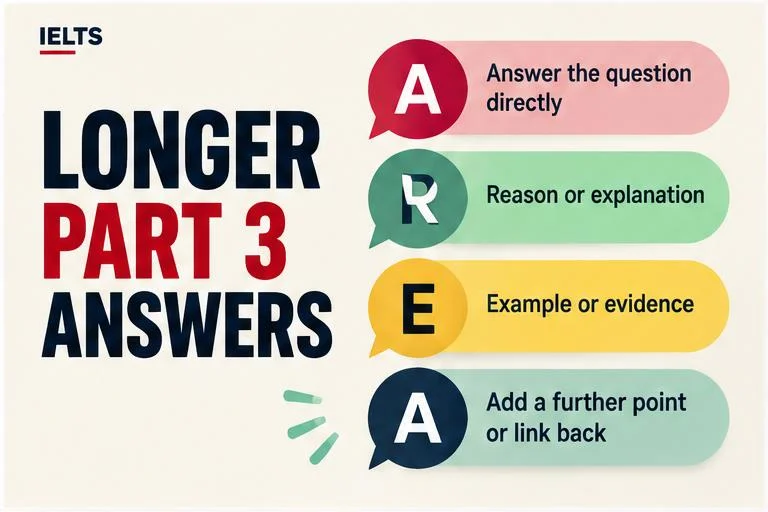
Extend your Part 3 answers beyond one sentence using the A.R.E.A. method: answer, reason, example, alternative.
Read article
Learn useful IELTS media and advertising vocabulary for Writing Task 2 and Speaking Part 3, with meanings and example sentences.
Read article
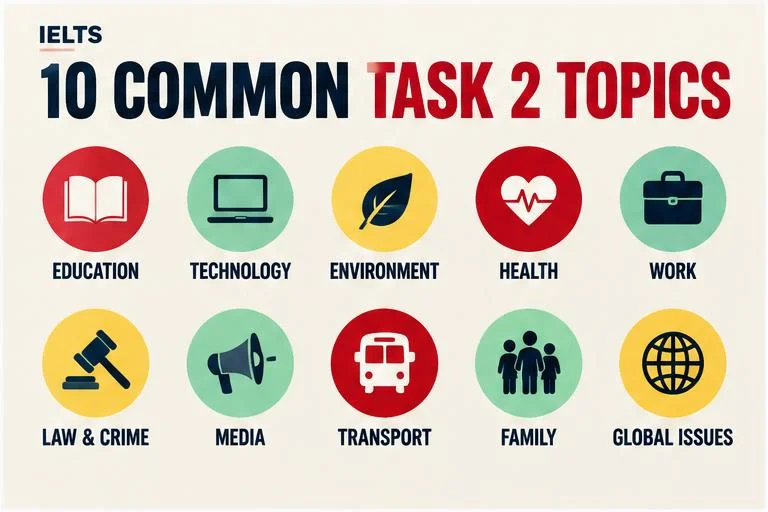
The recurring IELTS Writing Task 2 topics—education, technology, environment, health, work, crime and more—and how to prepare ideas for each.
Read article
Common IELTS Part 1 questions about your hometown, with natural sample answers, place vocabulary, and how to extend short replies.
Read article
Prepare for IELTS Part 1 questions about hobbies and free time with sample answers, leisure vocabulary, and tips for sounding natural.
Read article
Learn high-value IELTS collocations by topic, why examiners reward them under Lexical Resource, and how to practise them effectively.
Read article
How to write and speak complex sentences for IELTS Grammatical Range and Accuracy, with clear examples of relative, conditional and concessive clauses.
Read article
What coherence and cohesion mean in IELTS Writing, why overusing linking words lowers your score, and practical paragraphing and referencing techniques.
Read article
Read a realistic Band 6 Task 2 essay, see exactly why it scored 6, and learn the specific changes that would push it toward Band 7.
Read article
Answer IELTS Part 1 daily routine questions naturally with sample answers, time expressions, and the tenses examiners listen for.
Read article
Prepare for IELTS Part 1 questions about weather and seasons with natural answers and precise weather vocabulary beyond 'hot' and 'cold'.
Read article
How to answer IELTS Task 2 'Is this a positive or negative development?' questions, with a clear structure, sample paragraphs, and common mistakes.
Read article
Ready-to-adapt IELTS Task 2 conclusion examples for opinion, discussion, problem-solution, advantages and two-part essays.
Read article
Useful IELTS food and diet vocabulary for Speaking Part 1–3 and Writing Task 2, with collocations, example sentences and practice ideas.
Read article
Answer IELTS Part 1 travel and holiday questions naturally, with sample answers, past-tense practice and useful travel vocabulary.
Read article
A full IELTS Part 2 sample answer for 'Describe a website you often visit', with notes, technology vocabulary and Part 3 follow-up questions.
Read article
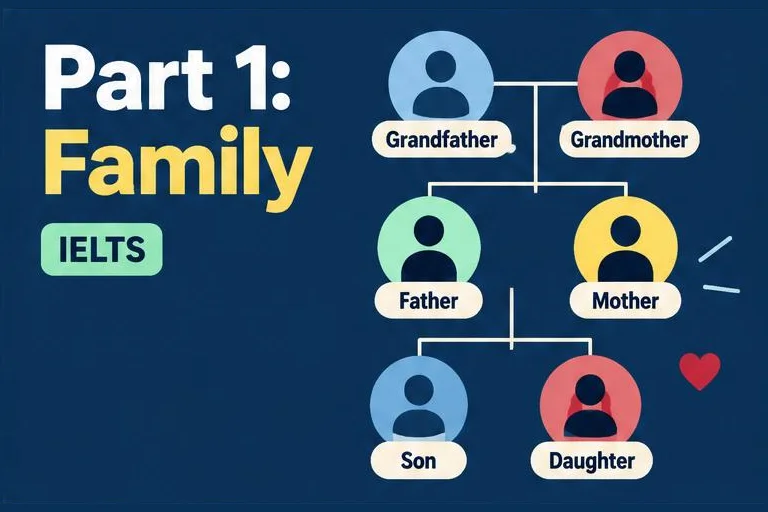
Prepare for IELTS Part 1 family questions with natural sample answers, ways to extend short replies, and common mistakes to avoid.
Read article
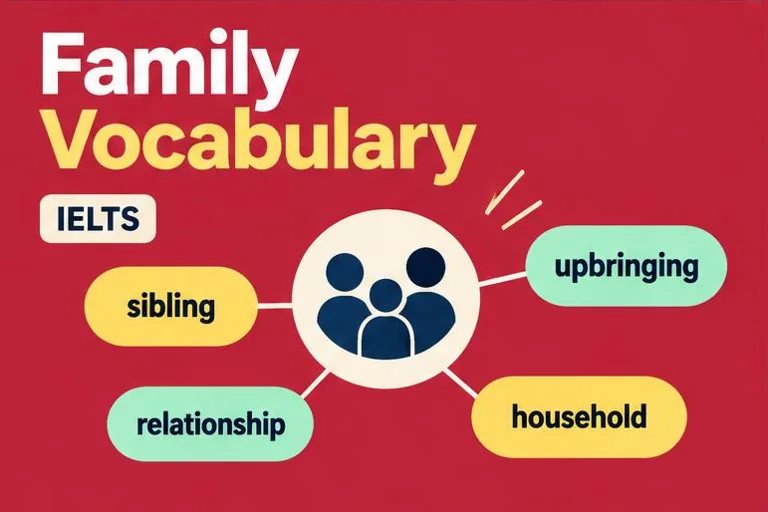
IELTS family and relationships vocabulary for Writing Task 2 and Speaking Part 3, with collocations about parenting, generations and modern family life.
Read article
Sample answers for IELTS Part 1 reading questions, with book and reading vocabulary and tips if you don't read much.
Read article
Answer IELTS Part 1 shopping questions about online shopping, malls and spending habits with natural sample answers and phrases.
Read article
Sample answers for IELTS Part 1 questions about sport and exercise, with fitness vocabulary and tips for extending answers.
Read article
Useful IELTS Task 2 synonyms for important, problem, increase, people and more—plus when synonyms help and when they cause mistakes.
Read article
What IELTS Lexical Resource means at Bands 5–8, what examiners reward, and practical ways to raise your vocabulary score.
Read article